
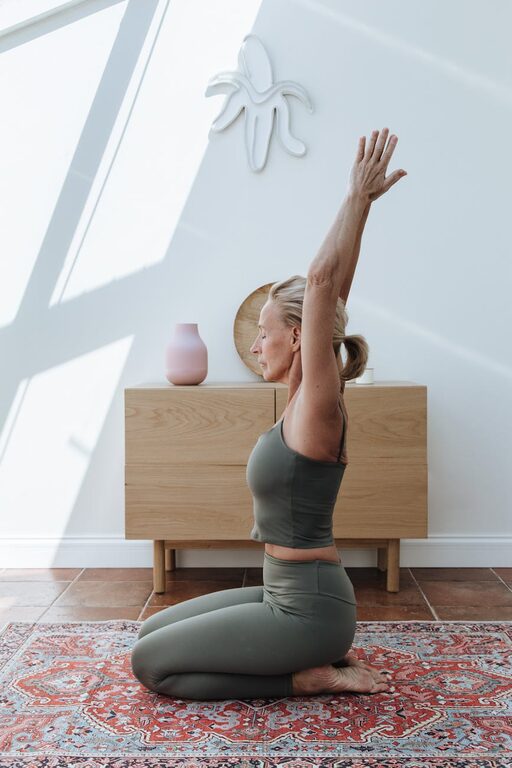
A Beginner’s Guide to Stretching at Home for Better Flexibility
Stretching is a simple yet powerful way to improve your overall health and mobility. Whether you’re an athlete, someone who spends a lot of time at a desk, or just looking to feel better in your day-to-day life, incorporating stretching into your routine can be a game changer.
This beginner’s guide will help you understand the benefits of stretching, how to get started safely at home, and provide easy stretches you can do right away.
Why Stretching Matters
Stretching helps to increase flexibility, improve circulation, and reduce muscle tension. It can also enhance your posture and decrease the risk of injury during physical activities. Even a few minutes a day can make a significant difference in how your body feels.
Here are some key benefits of regular stretching:
– Improves range of motion: Helps your joints move freely.
– Relieves muscle tension: Reduces stiffness and soreness.
– Boosts circulation: Increases blood flow to muscles.
– Enhances posture: Helps align your body properly.
– Reduces stress: Many find stretching relaxing and calming.
Getting Started: Tips for Stretching at Home
Before you jump into stretches, keep these points in mind to stay safe and get the most benefit:
- **Warm up first**: Stretching cold muscles can cause injury. Try 5 minutes of light activity like walking or marching in place.
- **Stretch gently**: Move into the stretch slowly until you feel mild tension—never pain.
- **Hold each stretch for 15-30 seconds**: This allows the muscle to relax and lengthen.
- **Breathe deeply**: Inhale and exhale slowly while holding each stretch.
- **Be consistent**: Stretch regularly, ideally daily or at least 3-4 times a week.
- **Listen to your body**: If a stretch causes pain, ease off or try a different one.
Basic Stretches to Try at Home
Here are some beginner-friendly stretches targeting common tight areas: neck, shoulders, back, hips, and legs.
Neck Stretches
– Side Neck Stretch: Sit or stand tall. Tilt your head towards your right shoulder until you feel a gentle stretch on the left side of your neck. Hold, then switch sides.
– Neck Rotation: Slowly turn your head to look over your right shoulder. Hold, then turn to the left side.
Shoulder and Arm Stretches
– Cross-Body Shoulder Stretch: Bring your right arm across your chest. Use your left hand to gently pull the arm closer to your chest. Hold and switch arms.
– Triceps Stretch: Raise your right arm overhead and bend your elbow to touch your upper back. Use your left hand to gently press the right elbow down. Hold, then switch sides.
Back Stretches
– Cat-Cow Stretch (on hands and knees): Arch your back up like a cat, then dip it down like a cow, moving slowly between both positions.
– Seated Spinal Twist: Sit tall with your legs crossed. Place your right hand on your left knee and twist your torso gently to the left. Hold and switch sides.
Hip and Leg Stretches
– Seated Forward Fold: Sit with your legs extended. Slowly bend forward at your hips, reaching toward your toes. Keep your back straight as you stretch.
– Standing Quadriceps Stretch: Stand on one leg, bend your other knee and hold your ankle behind you, gently pulling your heel towards your buttocks. Keep your knees close together. Hold, then switch legs.
– Hip Flexor Stretch: Step your right foot forward into a lunge position with your left knee on the floor. Shift your weight forward slightly to feel a stretch in the front of your left hip. Hold, then switch sides.
Stretching Routine for Beginners
Here’s a simple sequence you can follow at home. Aim to hold each stretch for 20 seconds and do 2 rounds:
- Warm up with light movement (marching or walking) – 5 minutes
- Neck Side Stretch – 20 seconds each side
- Cross-Body Shoulder Stretch – 20 seconds each arm
- Cat-Cow Stretch – 5 slow cycles
- Seated Spinal Twist – 20 seconds each side
- Standing Quadriceps Stretch – 20 seconds each leg
- Hip Flexor Stretch – 20 seconds each side
- Seated Forward Fold – 20 seconds
Finish with deep breathing for 1-2 minutes to relax your body.
Tips for Staying Motivated
– Set aside a specific time each day to stretch.
– Keep your stretching area comfortable and quiet.
– Use a yoga mat or soft surface to protect your knees.
– Consider following online videos for guidance and variety.
– Celebrate small progress like improved flexibility or reduced tightness.
When to Avoid Stretching or Talk to a Professional
If you have an injury, chronic pain, or a medical condition, check with a healthcare provider before starting a new stretching routine. Also, avoid bouncing during stretches as this can cause muscle strain.
—
Stretching is an easy habit that improves your body’s function and can boost your mood as well. By starting slow and being consistent, you’ll soon notice increased flexibility and a greater sense of comfort throughout your day. Grab a mat, find a quiet corner, and enjoy the simple benefits of stretching at home!
